Botany Lanes Greenhouse
In preparation for the sale of this 10-acre property, Peter Smith’s previous company SMITH provided a diverse range of investigative, permitting, and remediation services for Terrace Enterprises (Owner). The property has been used for commercial horticulture by Botany Lane Greenhouse, a wholesale grower of plants and flowers, and other operators of the greenhouse before them.
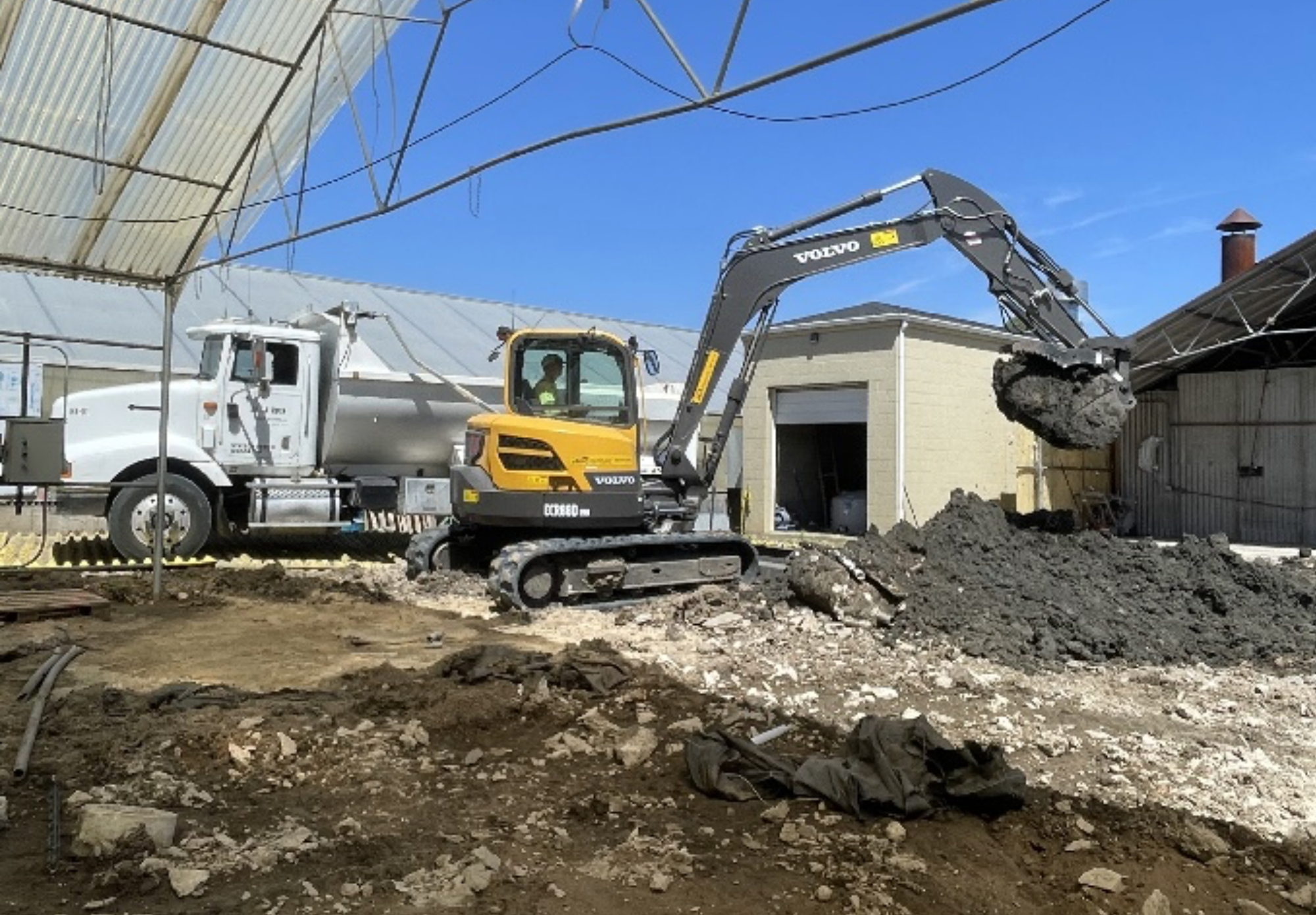
First, to contend with the contaminated soils on site, SMITH prepared a Phase I ESA in conformance with ASTM Standard E1527-13. The Phase I ESA report revealed an underground storage tank (UST), which may have impacted soil and groundwater on the subject property. Given the findings from the Phase I ESA, SMITH conducted a Phase II ESA, completing 29 borings and collecting 45 soil and water samples, which were analyzed in the laboratory. The Phase II ESA investigation revealed heating oil impacts to both groundwater and soils covering about 3,600 sq ft – diesel range organics (DRO) with values that exceed Commercial/Industrial EPA RSL levels. SMITH informed the Owner and on behalf of the Owner, informed CDPHE. To keep the property in compliance with Colorado’s solid waste statutes (30-20-100 et. seq., C.R.S.) and regulations (6 CCR 1007-2), SMITH, with the full support of the Owner and working in cooperation with CDPHE, Solid Waste Division, successfully negotiated and completed an excavation and haul off remediation strategy. Approximately 400 cubic yards of contaminated soil were removed and taken to the Tower landfill under SMITH’s Very Small Quantity Generator (VSQG) license with the EPA by November 2023. The site did not qualify for the OPS Reimbursement Fund because it was a heating oil release. A No Further Action (NFA) needed letter was issued in late 2023 by CDPHE after the removal of this contaminated soil and backfilling of the pits.
SMITH also conducted asbestos-containing material (ACM), lead-based paint (LBP), and other Regulated Building Materials (RBM) surveys of all the buildings on the property in support of the planned demolition of the buildings and concrete. SMITH’s Certified Asbestos Building Inspectors (CABIs) collected suspect ACM samples, which were analyzed for asbestos at a National Voluntary Laboratory Accreditation Program (NVLAP) accredited laboratory. ACM was confirmed on site and asbestos abatement services were performed prior to demolition by a certified General Abatement Contractor (GAC). SMITH’s Air Monitoring Specialist oversaw this abatement and provided air monitoring services during abatement. LBP was confirmed on site but Toxicity Characteristics Leaching Procedure testing showed the painted surfaces could be disposed of as solid waste along with the material it was coating. Suspect polychlorinated biphenyls (PCB) transformers were also identified on site.
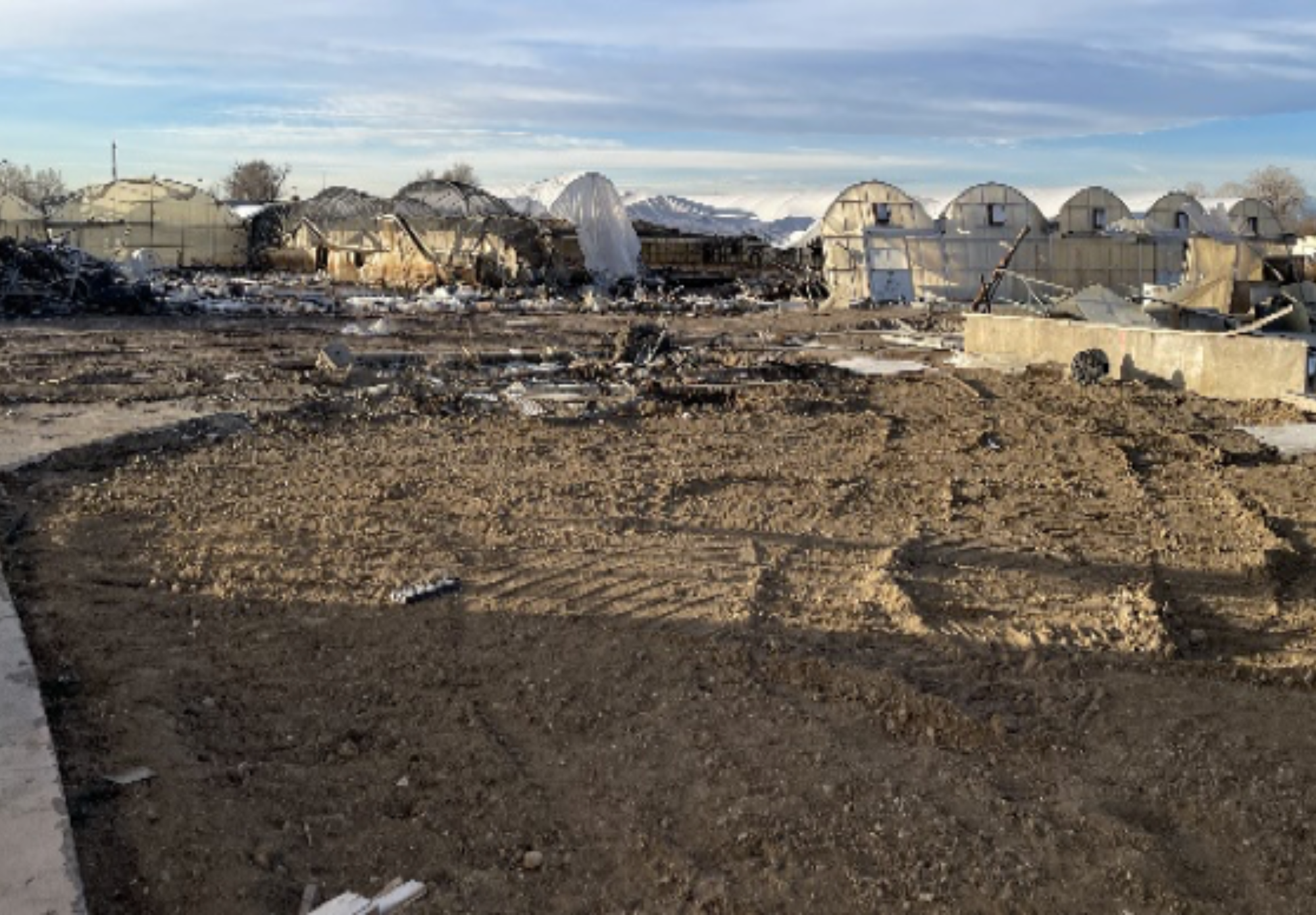
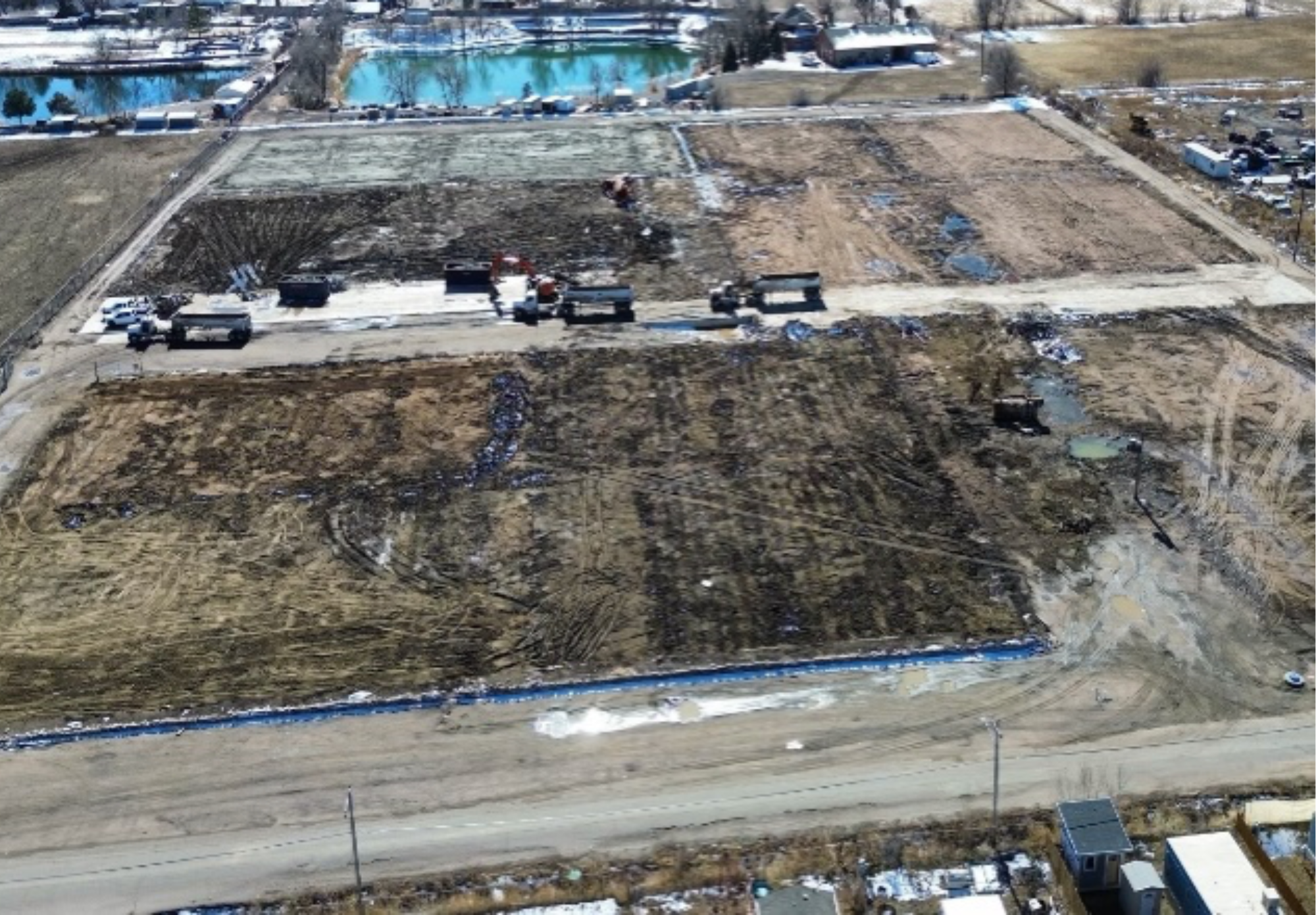
SMITH signed the demolition permit for the removal of all above ground structures and concrete on the 10-acre property. The CDPHE approved the demolition permit on October 6, 2023, and demolition was completed by January 31, 2024. The left-hand image on the second row of the gallery above shows site demolition services nearing completion on the 10-acre parcel. Only the upper left corner of the parcel had concrete remaining when this photo was taken.
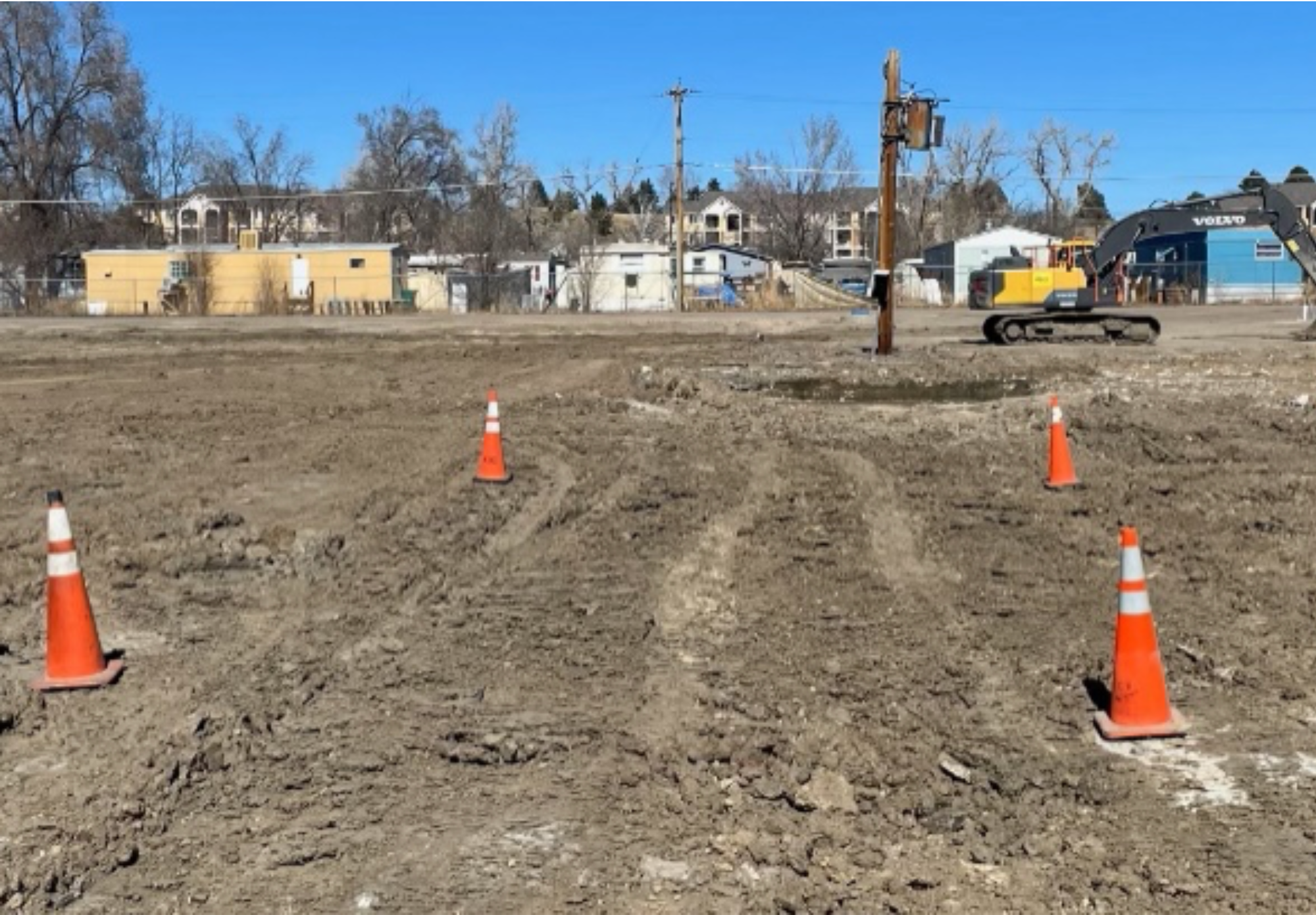
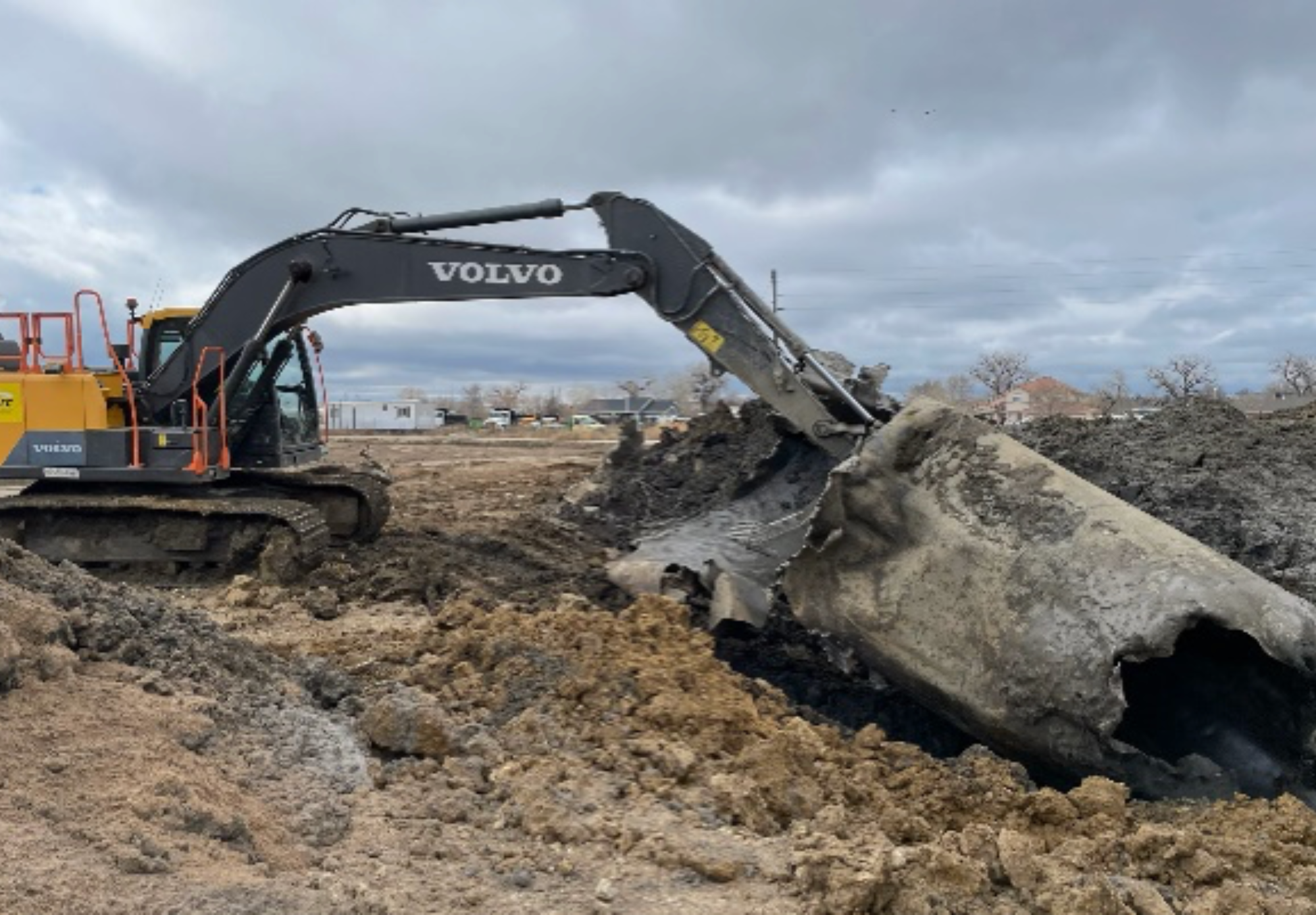
To keep the property in compliance with Colorado’s solid waste statutes (30-20-100 et. seq., C.R.S.) and regulations (6 CCR 1007-2), SMITH also removed the heating oil tank and contaminated soil in the immediate proximity of the tank. This soil was also taken to the Tower landfill under SMITH's VSQG license. The perforations in the tank had drained all the heating oil and the tank had been backfilled with sand as part of the abandonment of the tank. Another NFA needed letter was issued by CDPHE in 2024 after the removal of this tank, contaminated soil surrounding the tank, and backfilling of the pit (cones mark the corners of the former tank pit; notice the transformers on the pole north of the former tank pit location).
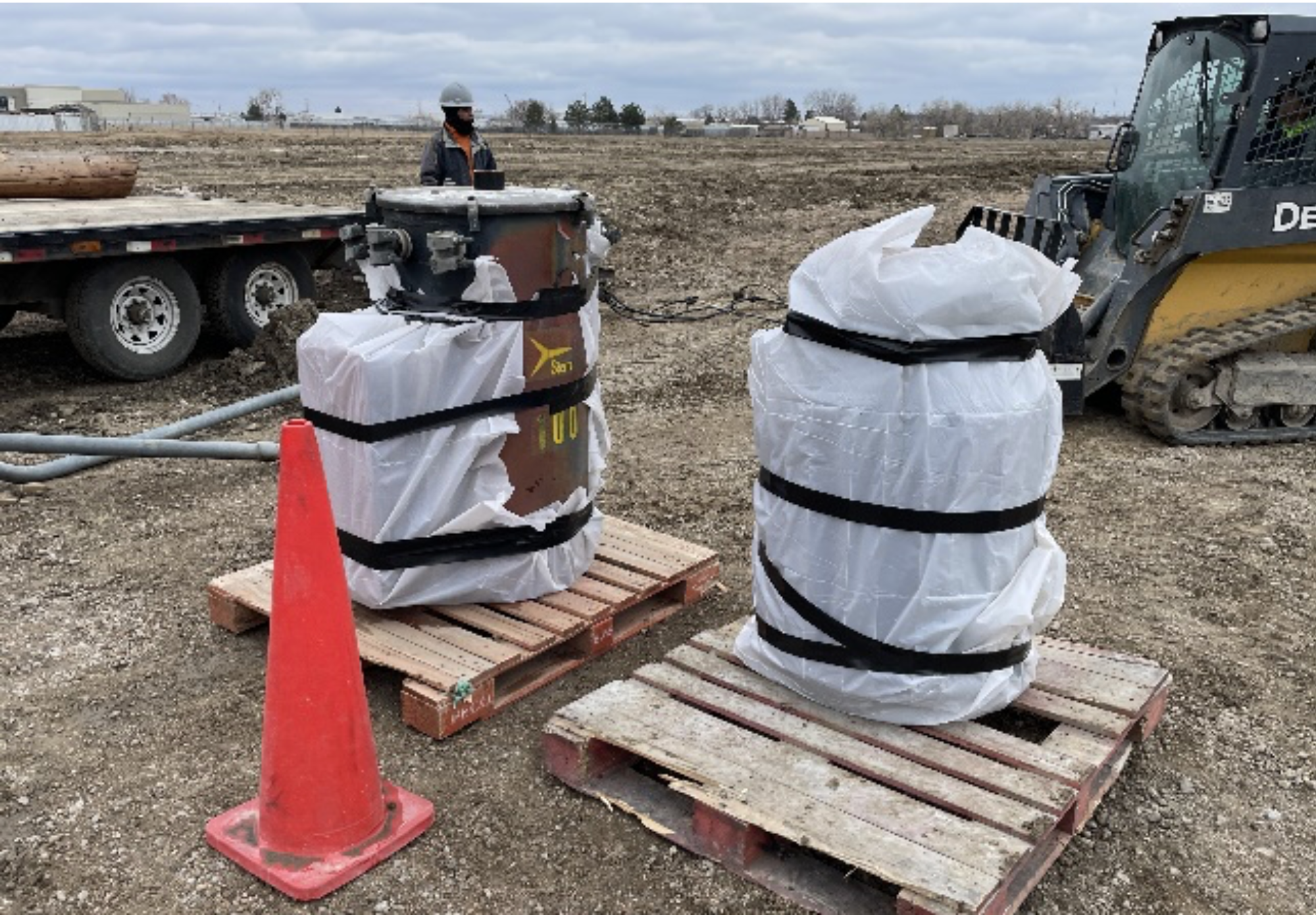
Two transformers were left on site (see the aforementioned image) when Xcel Energy turned off all power to the property and removed three other transformers that were on site. Since these two suspect PCB transformers were not removed by Xcel Energy, SMITH brought the transformers to the ground and disposed of them according to CDPHE regulations.
At the conclusion of the project, the owner of the property, Byron Chrisman, said “Great job, thanks for getting me my NFAs.”